Join our Mailing list!
Never miss out on our monthly newsletters and stay up to date on all our district updates.
Schools were designed to educate, equip, and prepare pupils with the skills and knowledge necessary to navigate life. But unfortunately, over the years, inefficient behavioral health programs have hampered student progress in several ways.
Mental health is an essential yet often overlooked factor in a child’s happy and healthy development — inside and outside school walls.
Despite recent research highlighting the importance of supporting children’s mental well-being within educational settings, many schools struggle to implement reliable strategies for early detection and prevention, raise awareness about behavioral health issues across their communities, and provide available support services for those who need it most urgently.
This post will explore some of these findings from recent studies concerning behavioral health in schools, including insight into what could be implemented to help bolster positive school experiences for students across America.
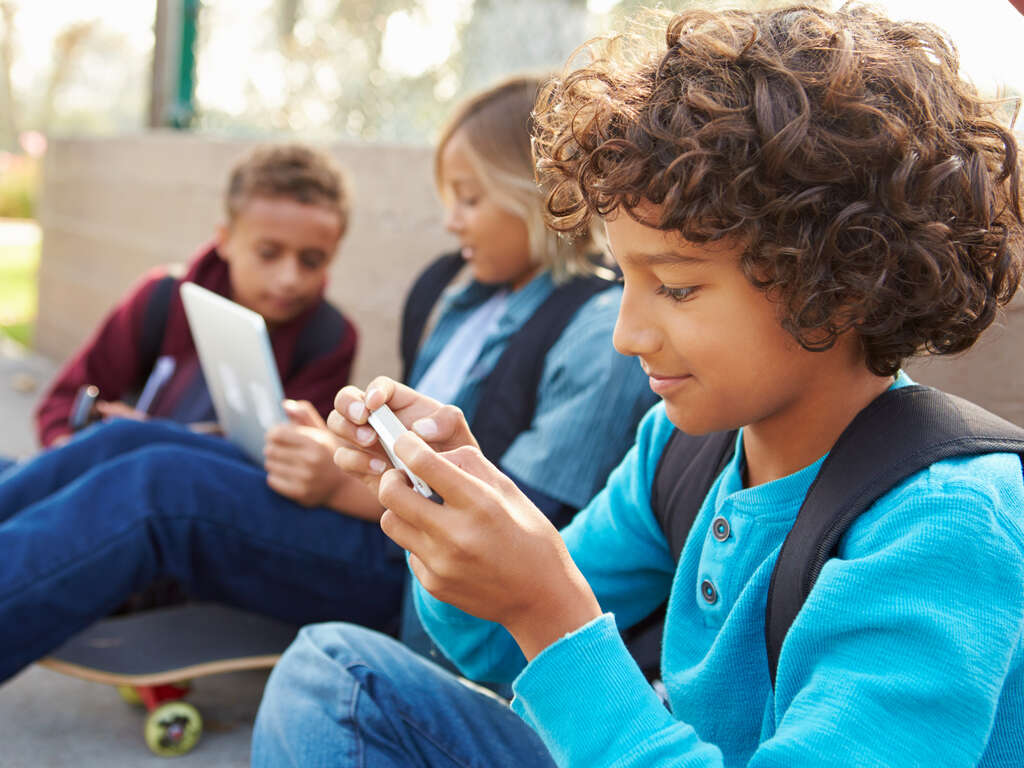
Mental health challenges in schools are real, and they are growing. In 2021, the Centers for Disease Control and Prevention (CDC) reported concerning facts — over 4 out of 10 students experienced persistent sadness and hopelessness, while nearly one-third of students experienced poor behavioral health. Moreover, it was found that 22 percent considered attempting suicide, and 10 percent had already tried taking their lives.
individual identity population groups+ students, individuals and students from multiple ancestry-based/ethnic backgrounds are at greater risk of developing behavioral health disorders including anxiety, depression and post-severely distressing stress disorder.
This underscores an urgent need for greater access to behavioral health services and school resources, particularly since these disparities threaten a child’s academic success and quality of life. To overcome this challenge, there must be an ongoing commitment by school administrators and behavioral health professionals to create a proactive and supportive environment for their students.
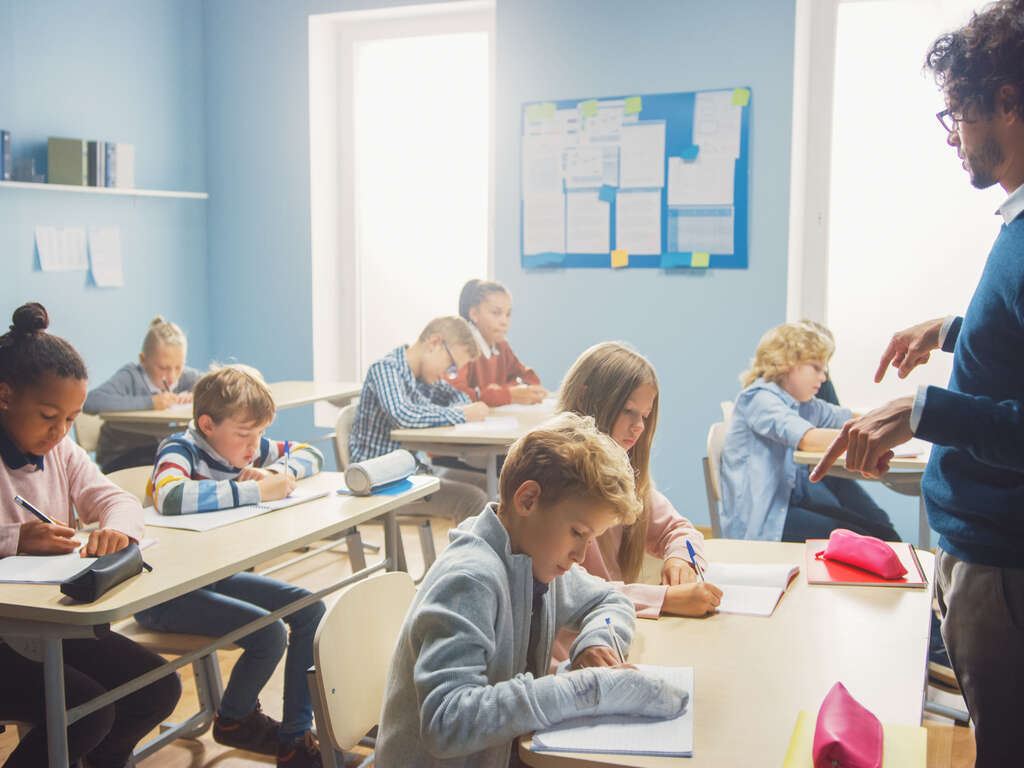
The U.S. Department of Health and Human Services estimates that at least 20 percent of children from 3 to 17 years old experience behavioral health issues in their school life. Stress, bullying, and academic pressure are some of the most common causes of this.
School-based behavioral health programs can play a powerful role in promoting positive behavioral health and resolving issues that hinder academic success. Each student’s behavioral health needs should be addressed with personalized, specialized care.
This can be done through the following:
Schools need to invest in research to understand their student population’s behavioral health. By investing in more research, they can effectively identify their demographics’ most common behavioral health issues and create a comprehensive assessment.
This assessment will allow school administrators to pinpoint the area of focus and recognize what targeted strategies they could implement to help mitigate any current issues or deficiencies.
This insight is valuable for ensuring the best solutions for interpreting, understanding, and supporting those within the student population with behavioral health issues or concerns.
Addressing behavioral health requires more than just providing access to resources. Mental health education needs to be integrated into the curriculum to ensure a safe, positive learning environment for students.
This could involve embedding healthy behavioral health practices into existing class topics or creating standalone classes focusing on emotional and psychological well-being. These lessons can cover behavioral health disorders, stress management, problem-solving strategies, and coping mechanisms for difficult times.
It’s also important to include discussions on stigma and the importance of seeking help when needed so students feel comfortable speaking up about any issues they may face.
School districts committed to supporting their student’s behavioral health should invest in developing a system of behavioral health services.
This could include resources for students and families and training and support for school staff, especially school psychologists, social workers, counselors, and teachers.
It is also critical to involve the surrounding community in school-based behavioral health initiatives by connecting with local organizations and support groups specializing in behavioral health services.
By having a comprehensive system of behavioral health resources available to staff, schools can better ensure they receive the best behavioral health care possible.
School districts should prioritize fostering cultural and linguistic competency in their staff. This entails educating them about the various cultures represented among their students and ensuring they can communicate with varied school groups effectively.
Staff should also understand common behavioral health perspectives, regardless of the population they serve. Moreover, competencies must go beyond acquiring surface-level information; the school district must ensure its staff members comprehend the conditioning and roots behind unspoken values and cultural practices.
Members should also know language nuances to communicate fluently and respectfully with staff, students, and families.
The National Center for Education Statistics, a branch of the United States Department of Education, surveyed 830 public schools in America and found that 7 out of 10 were experiencing an increasing number of young students seeking behavioral health services.
Of additional concern, 76 percent reported that faculty and staff members had voiced worries about depression, anxiety, and severe psychological distress in their student body since the COVID-19 pandemic began.
With the high pressure of demands already weighing on school-based behavioral health service providers, contracting a behavioral health company specializing in emotional support for students may be a good solution.
Care Plus NJ’s School-Based Services has the resources and expertise to provide students with appropriate emotional care and guidance while refraining from overworking existing school staff. Moreover, behavioral health company providers possess professionally tailored approaches that deliver targeted aid more adequately in meeting the individual needs of each student.
Schools can access comprehensive mental and behavioral health services from these companies to strengthen their support systems and better meet the needs of students, including evaluations and referrals, training for staff and faculty on relevant issues, and crisis intervention protocols tailored to each institution’s unique environment.
With such assistance, in addition to existing resources, schools can guarantee improved care for all learners.
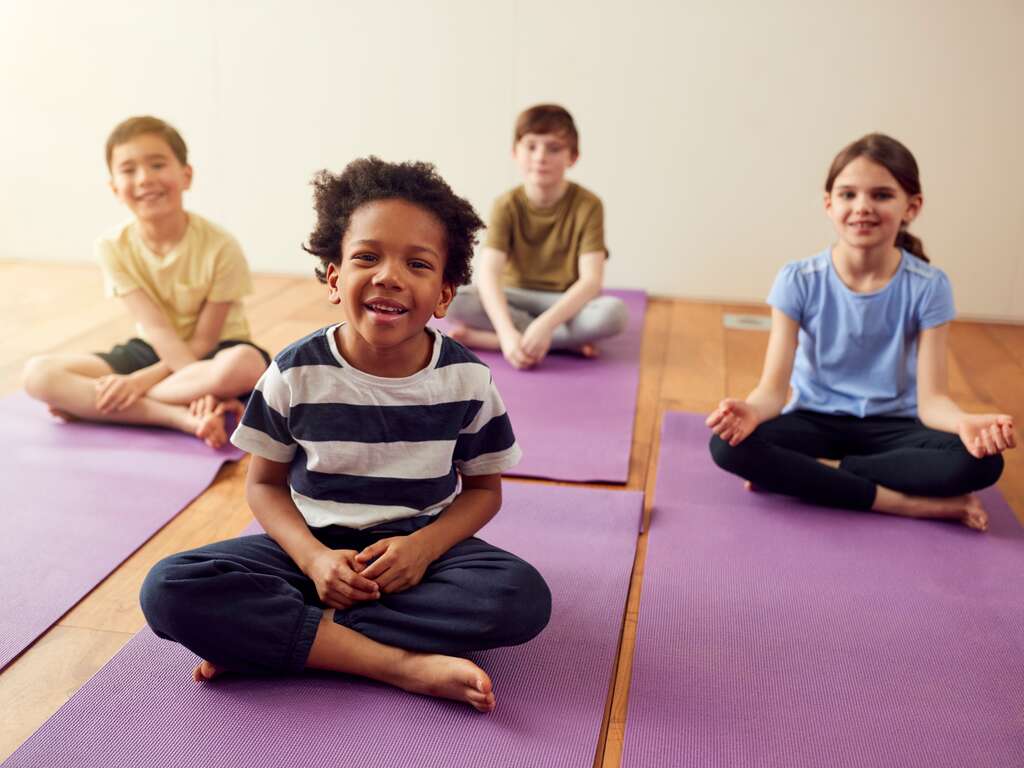
Mental illness and emotional well-being are equally important and should be taken seriously by schools. As a non-profit organization, Care Plus NJ School-Based Services strive to help create healthier school environments for students by collaborating with the district staff, families, and the community.
Our organization works with schools to assess their behavioral health services and tailor comprehensive behavioral health programs that better address student needs. We provide guidance and education to educators and families, as well as resources and support for students struggling with behavior problems and emotional or psychological issues.
Schools have a fundamental role in providing students with practical and reliable resources to help them navigate their daily lives with the proper tools. Overall, the issue of behavioral health in school settings is complex and multifaceted. Though much progress has been made to create awareness about behavioral health, there is still a need for other early detection strategies and access to comprehensive student support services.
Parents and caregivers should work with schools and community organizations to promote healthy conversations around behavioral health, remove the stigma associated with it, and representative for children everywhere who struggle silently as they try to access life-saving interventions.
Please reach out to us today and find out how our non-profit is devoted to increasing behavioral health awareness in your school. We are dedicated to creating secure, inspiring spaces for all students with tailored programming that addresses their needs.
Sources:
https://www.washingtonpost.com/education/2022/05/31/schools-mental-health-covid-students/
https://www.k12dive.com/news/mental-health-supports-school-based-programs/638691/
https://www.cdc.gov/healthyyouth/mental-health/index.htm
https://www.mentalhealth.gov/talk/educators
https://youth.gov/youth-topics/youth-mental-health/school-based
https://www.nea.org/advocating-for-change/new-from-nea/mental-health-schools-kids-are-not-all-right
https://stigmafreesociety.com/blog/the-importance-of-mental-health-education-in-schools/
https://www.wgu.edu/heyteach/article/importance-mental-health-awareness-schools1810.html
https://www.nami.org/Advocacy/Policy-Priorities/Improving-Health/Mental-Health-in-Schools
https://nces.ed.gov/whatsnew/press_releases/05_31_2022_2.asp